
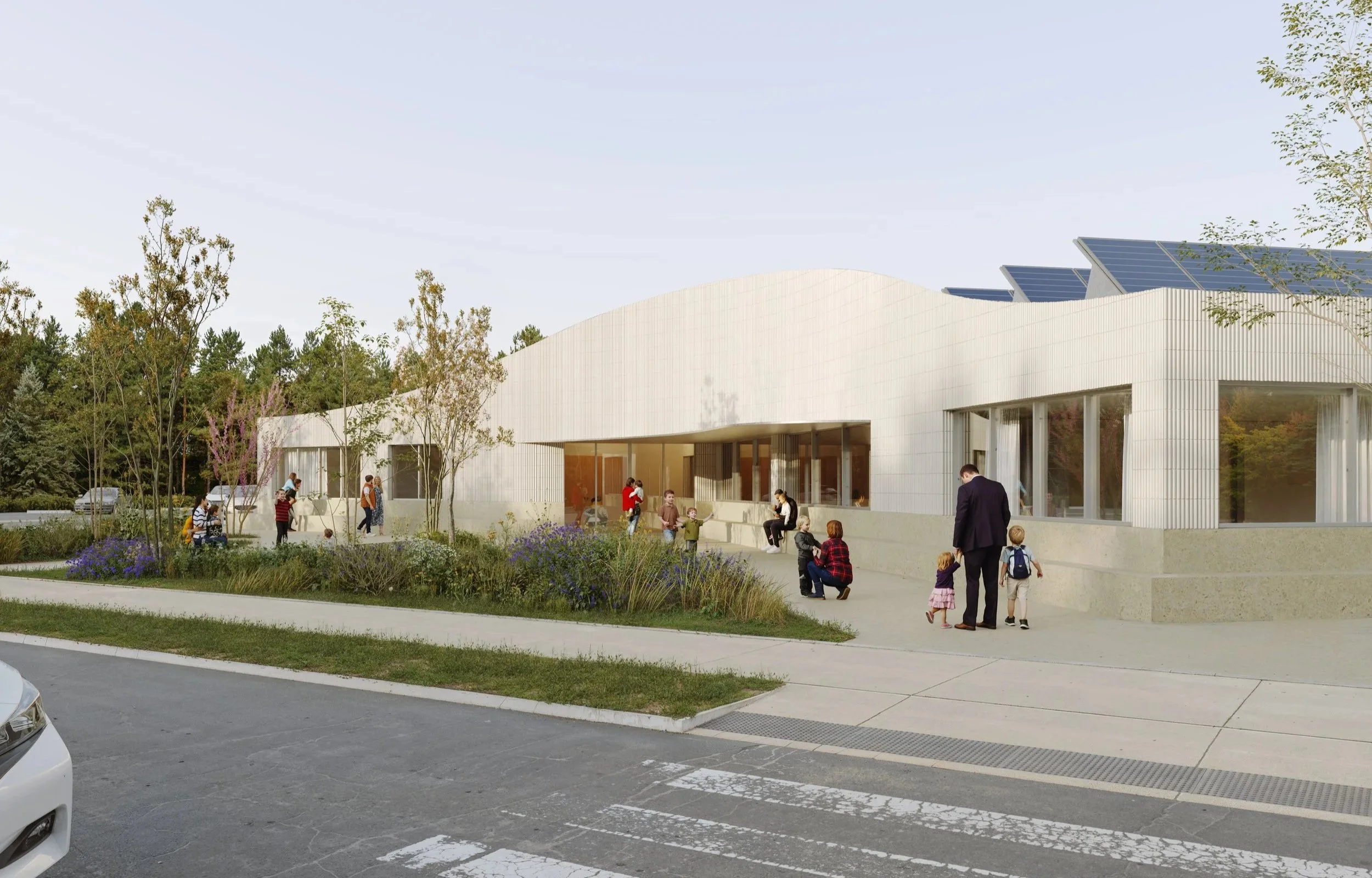
Family & Community Centre
A suburban community hub designed to help a new community connect, grow, and belong.
Client: City of Casey
Location: Victoria, Australia
Type: Community / Civic
Status: Under construction
Scope: Architecture
“
Steven’s dedication to creating spaces that serve and inspire communities was evident in every project we worked on. His expertise and collaborative approach made him an invaluable partner.
Yingxuan Huang
Principal Landscape Architect
City of Casey
The Project
-
We led and coordinated a complex stakeholder group through an inclusive and collaborative architectural design process, using participatory workshops to bring diverse perspectives together and build consensus around the project.
-
We developed an architectural concept that reimagines the Family & Community Centre as more than a collection of services, establishing it as a social and civic hub for a new community.
-
The project was designed for a rapidly growing community of young and culturally diverse families, creating a welcoming environment where children, parents and neighbours can connect, share experiences and build a sense of belonging.
-
We began with a simple proposition: a Family & Community Centre is not simply a building that provides services. It is one of the places where a new community begins.
From this idea, we explored how the building could move beyond a functional council facility to become an important social hub, supporting the relationships that form between children, parents, families and neighbours.
The brief brought together three distinct programs: kindergarten, maternal and child health, and community facilities, each with its own operational requirements. We developed these as three interconnected streams, with their points of intersection becoming shared spaces for gathering, connection and exchange.
This branching organisation gives architectural form to the idea of a community coming together, creating spaces where people from different cultures and backgrounds can meet, recognise one another and feel a sense of belonging.
-
Unanimous Stakeholder Approval: Participatory design workshops with a diverse stakeholder group resulted in unanimous approval of the design.
Community-Centred Design: The project balances operational requirements, public safety and cultural considerations with the everyday experience of children, families and the wider community.
Delivery: Tender and Construction Documentation Packages were developed to carry the project's architectural and community values through to delivery.
-
Client: City of Casey
Status: Under Construction
Traditional Land Owners: Bunurong/Boon Wurrung people of the Kulin Nation
-
Steven Chu (Director & Project Lead)
Wensen Zhang
Alina Walizade
Ryan Poppins -
Designed and Delivered by Artefact Director Steven Chu as Director and Principal Architect of Programmed Building Services. Moral Rights Reserved under The Architects Act 1991 by The Architect Steven Chu. All imagery shown on this website is Copyright, All Rights Reserved, and produced by Artefact Architects.
Design
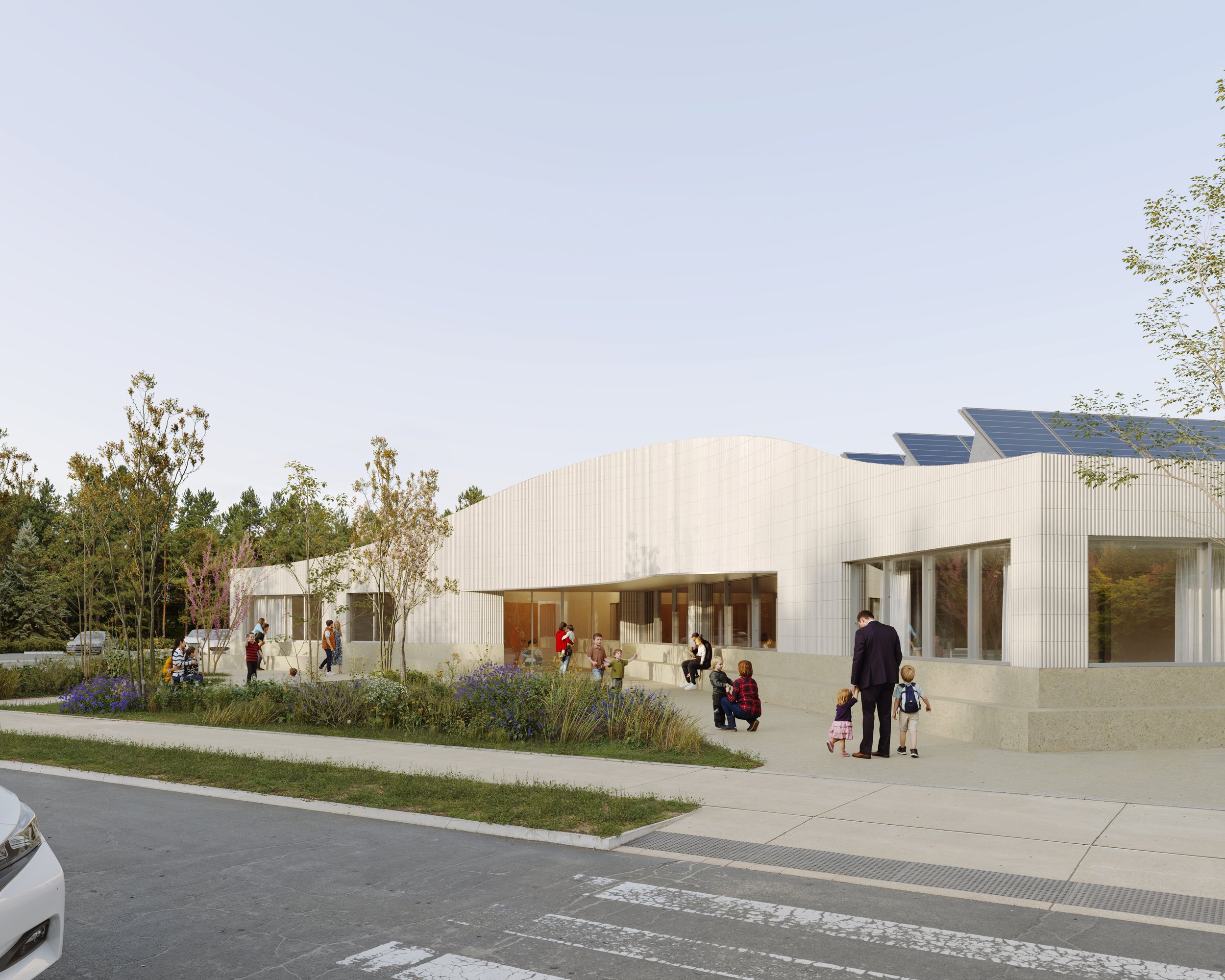
The Family & Community Centre is conceived not simply as a building that accommodates essential council services, but as a place where a new community can begin to form.
Located within a rapidly growing community in Melbourne's south-east, the centre brings together kindergarten, maternal and child health, and flexible community facilities. Each service has distinct operational requirements, yet all share a common purpose: supporting children, families and the relationships that connect them.
The design responds by organising these three programs as distinct but interconnected streams. Kindergarten, maternal and child health, and community spaces each establish their own identity and operational logic, while a shared architectural language brings them together.
At the heart of the building, these three streams intersect to create spaces for gathering, connection and exchange. Rather than simply moving between services, people encounter one another. Children form early friendships, parents build relationships, and new neighbours begin to recognise themselves as part of a community.
This idea of three streams becoming one gives the building its spatial and formal expression. The architecture branches outward to accommodate the distinct needs of each program, while drawing them back together around shared communal spaces.
The result is intended to be more than a functional council facility. It is a social destination and a place of identity for a growing community: a place to gather, connect and feel at home.
-
![Floor plan layout of a large facility including various rooms, storage areas, community spaces, childcare, offices, and outdoor play areas, with labels and designations for specific spaces.]()
Ground Floor Plan
-
![]()
Nurturing Kindergarten Rooms - Interior architecture at the human scale
-
![]()
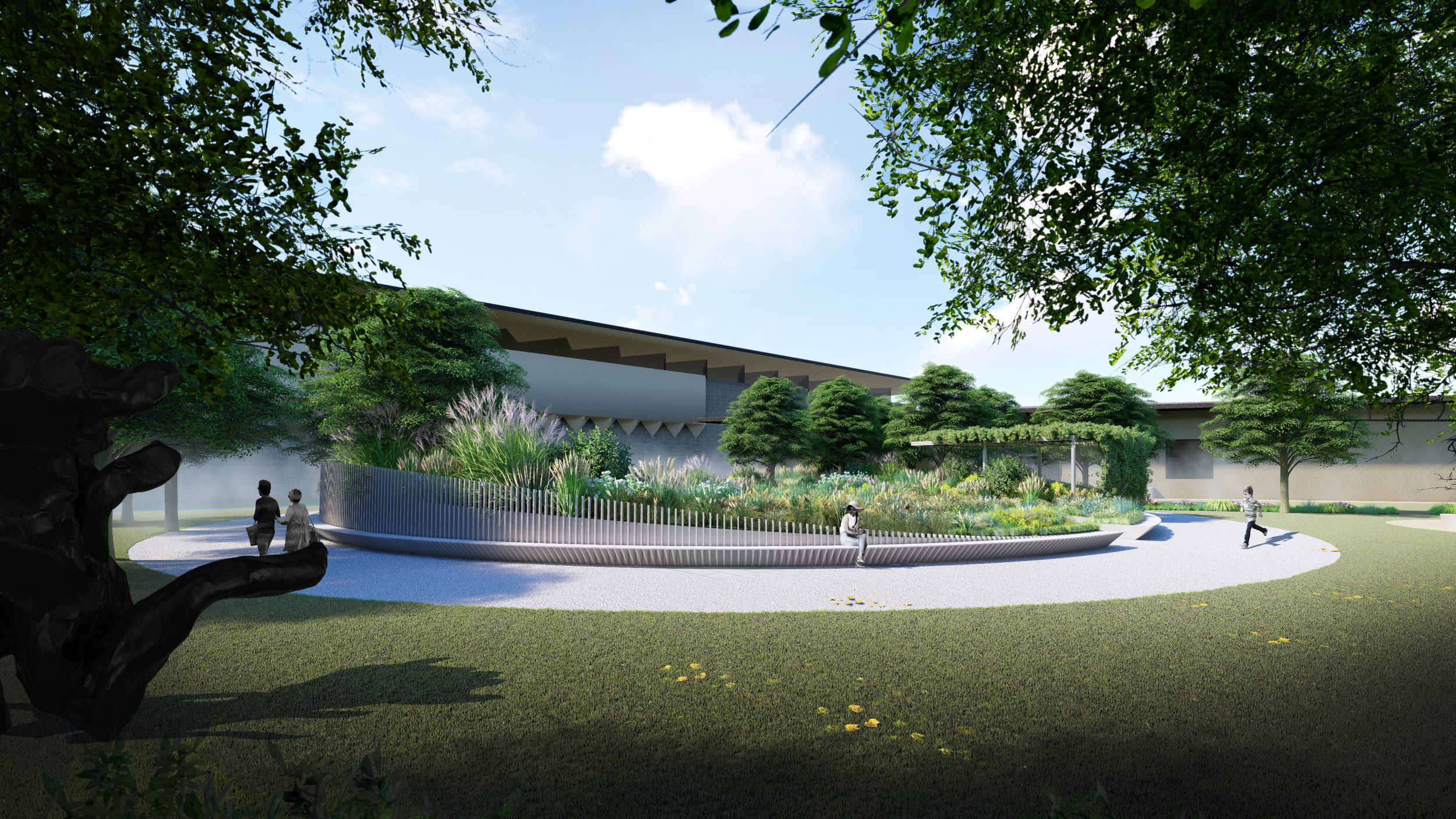
Community Entry Perspective

Sound of Rain
Family & Community Centre
Community Pool Renewal
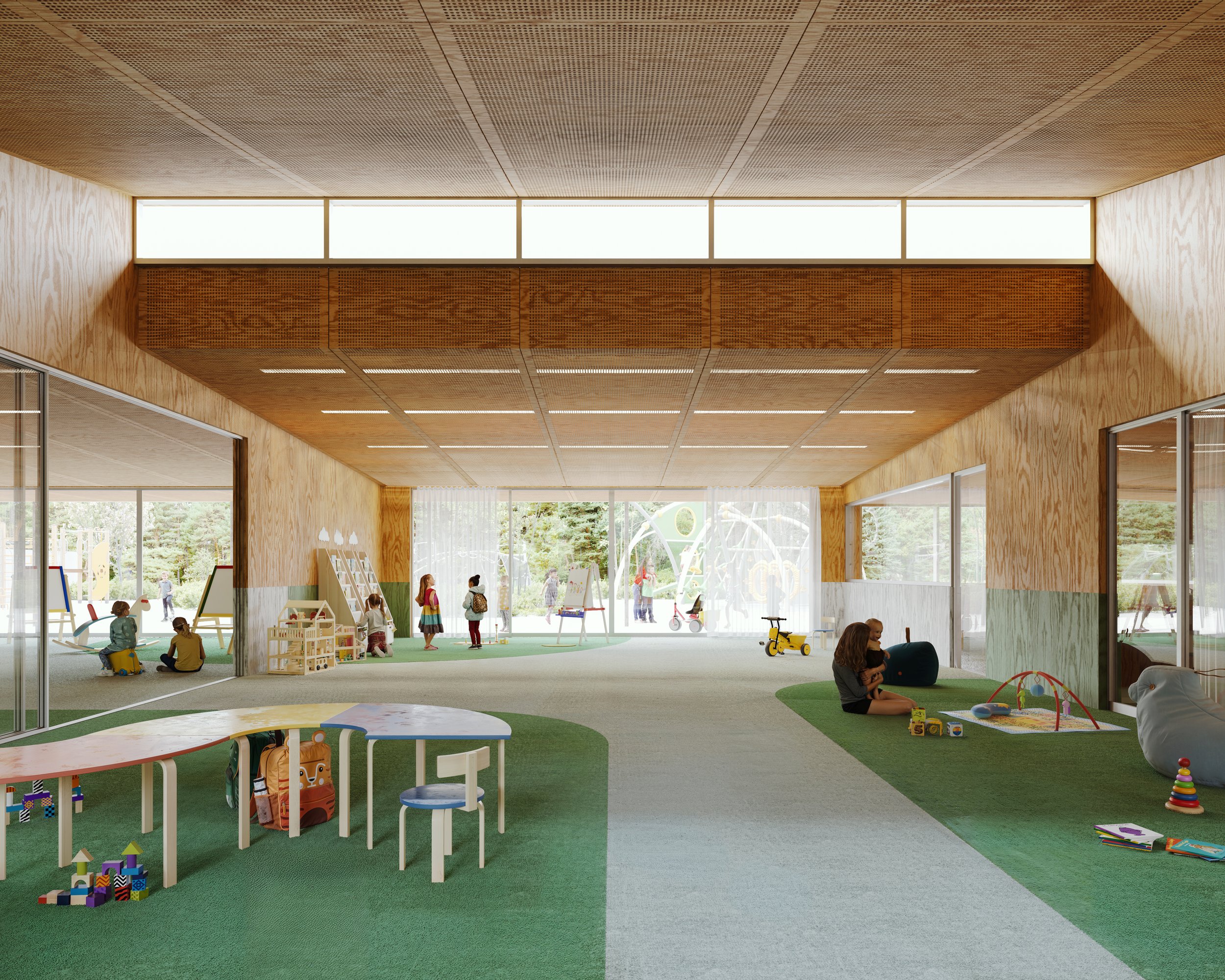
Nurturing Kindergarten Rooms
The Lost Garden