
Sound of Rain
Grand Prize Winner
NOT A HOTEL International Design Competition 2026
Client: NOT A HOTEL
Location: Yakushima, Japan
Type: Place-led Hospitality / Residential / Retreat
Status: In Design Development
“
An extremely powerful proposal that connects nature, architecture, and the hospitality experience at a high level.
Shinji Hamauzu
Founder & CEO at NOT A HOTEL
A Place Shaped by Rain
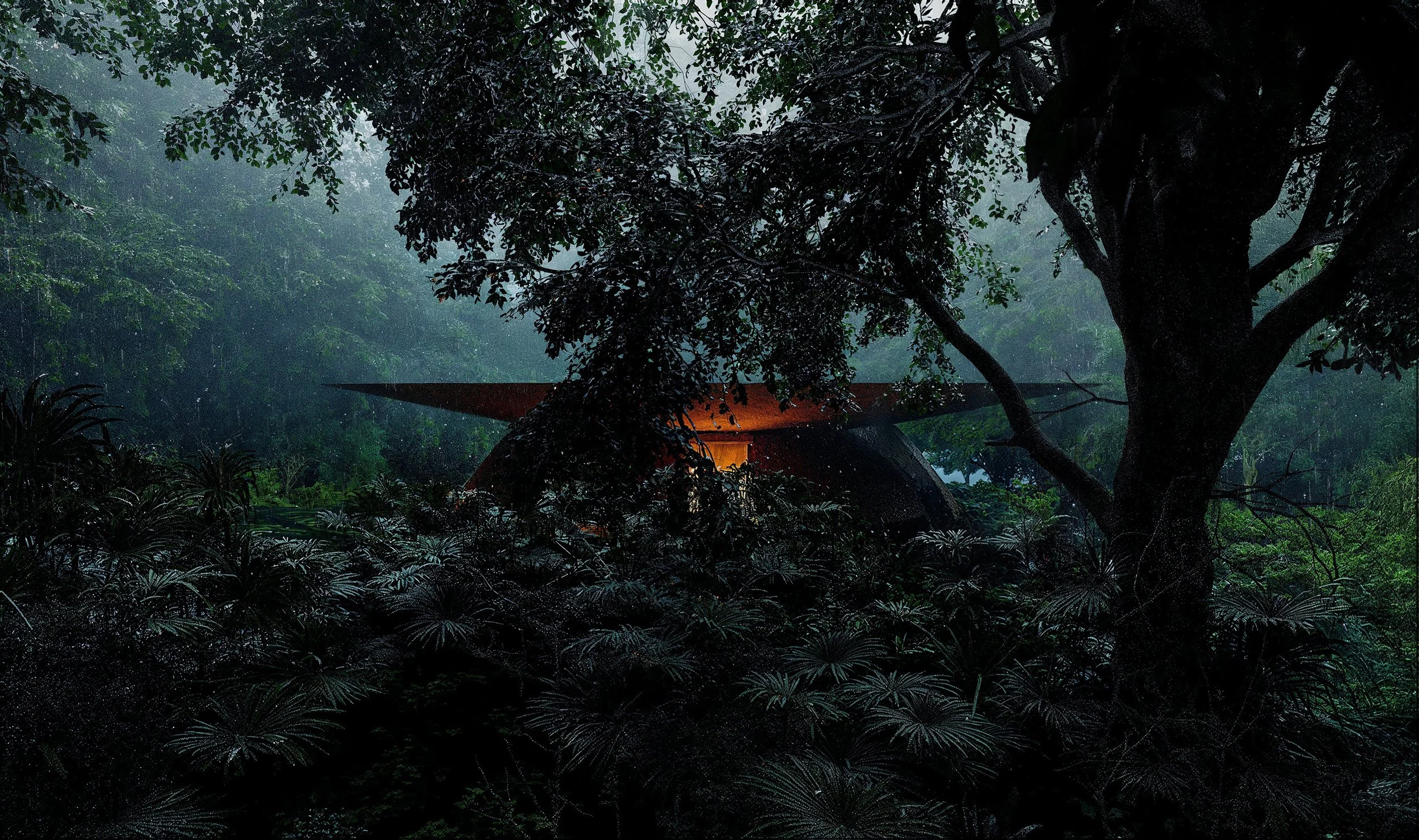
In Yakushima, rain is not simply weather. It is a constant presence, shaping the landscape, the forests, the rivers, and the rhythms of daily life.
Sound of Rain begins with the idea that architecture can listen to this condition rather than protect us from it.
The project imagines the moment when Sky meets Earth through rain, translating this encounter into a place for retreat, gathering, and contemplation.
Here, rain becomes more than an environmental condition.
It becomes the beginning of the architecture.
“
The Grand Prize-winning proposal, Sound of Rain, poetically yet boldly translated an experience that could only exist in Yakushima through the natural phenomenon of rain.
Sou Fujimoto
Founder at Sou Fujimoto Architects
The Vision behind the Grand Prize “Sound of Rain”
Steven Chu discusses the ideas behind Sound of Rain, from Yakushima’s extraordinary rainfall to Artefact’s design philosophy on creating distinctive hospitality destinations rooted in their place.
Video Credit: Rightup Inc.
Photo Credit: Newcolor Inc.
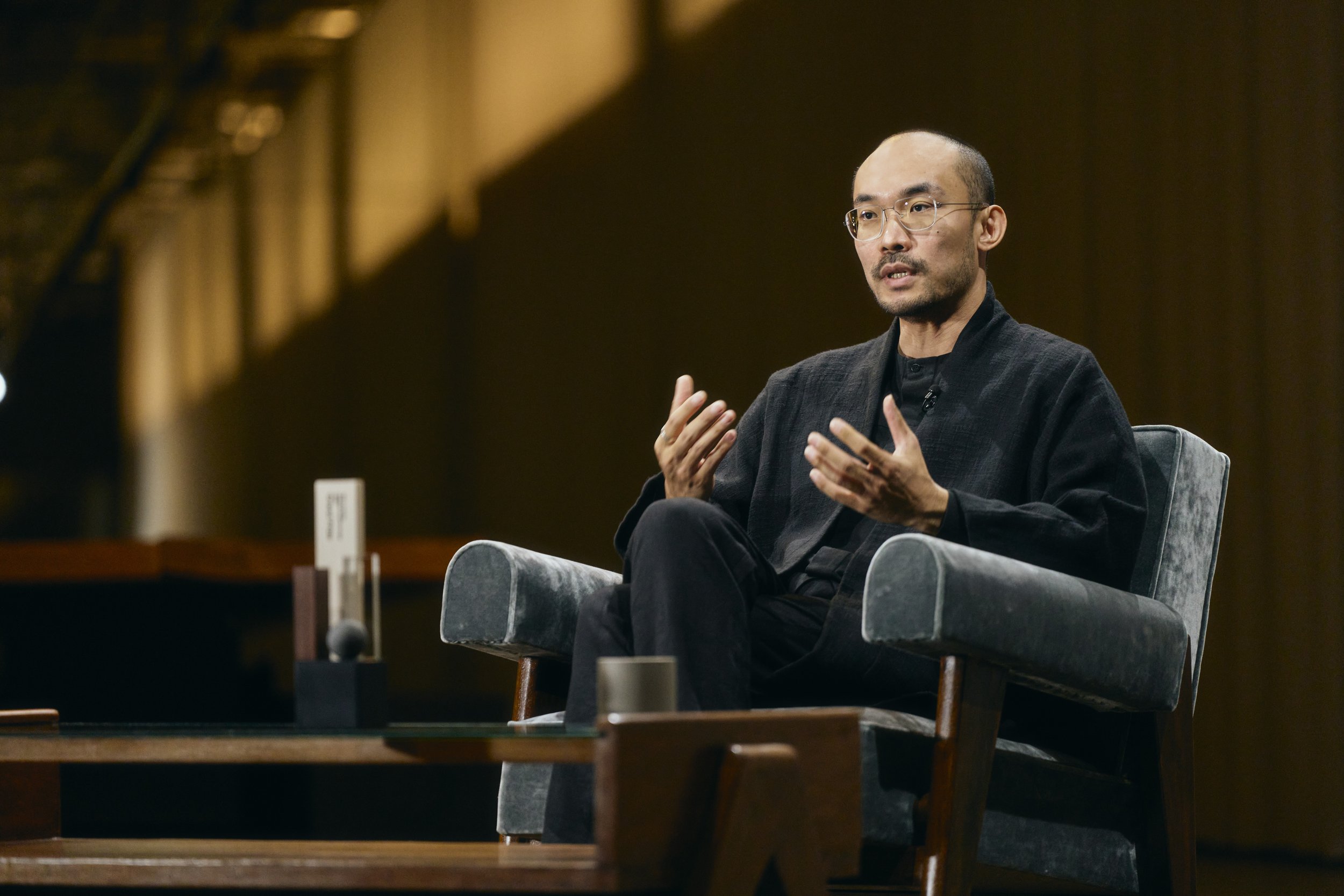
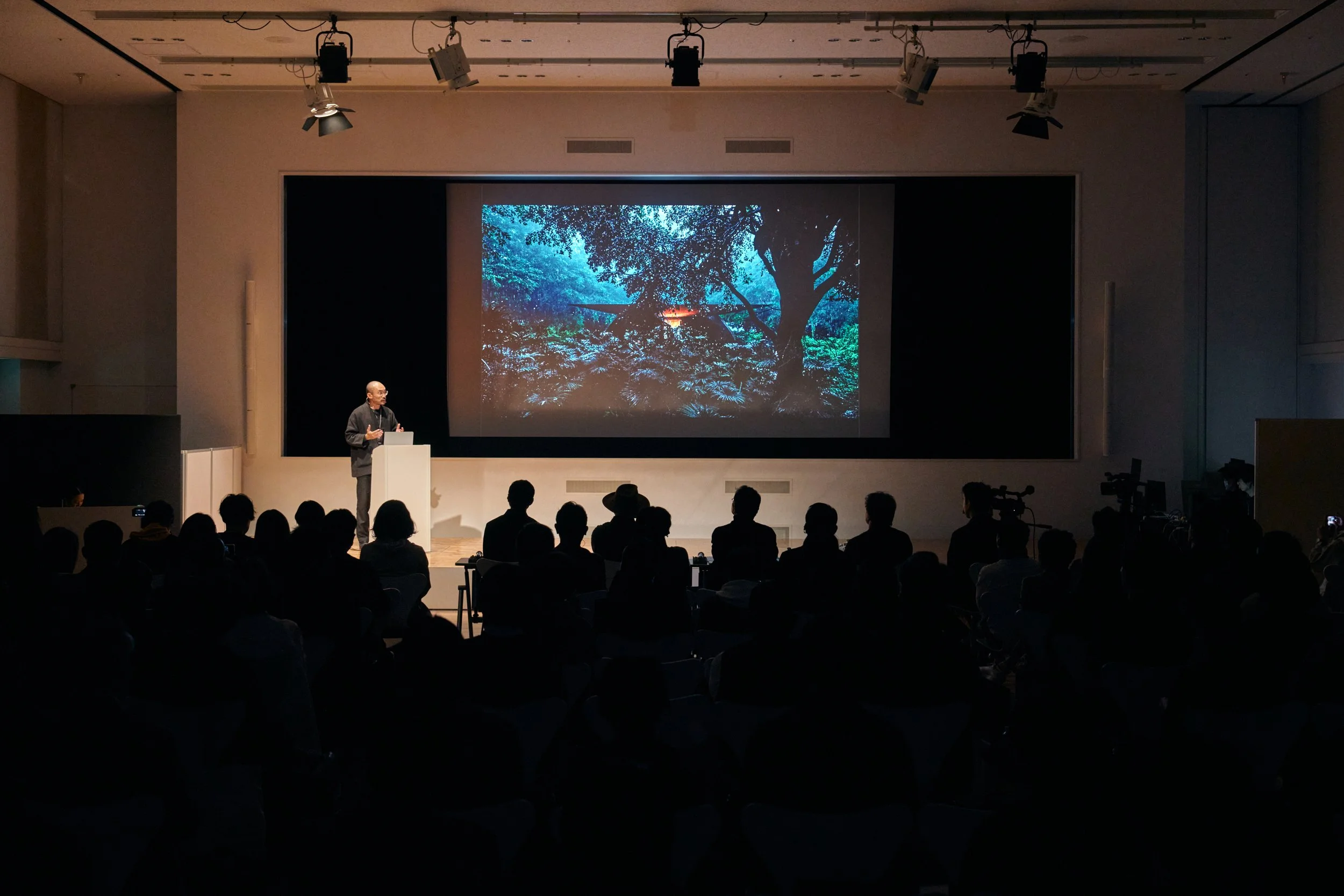
Steven Chu presenting Sound of Rain at the final judging event at the National Art Centre in Tokyo, Japan.
Jury Members: Bjarke Ingels, Sou Fujimoto, Masamichi Katayama, and Shinji Hamauzu.
Architecture as Ritual
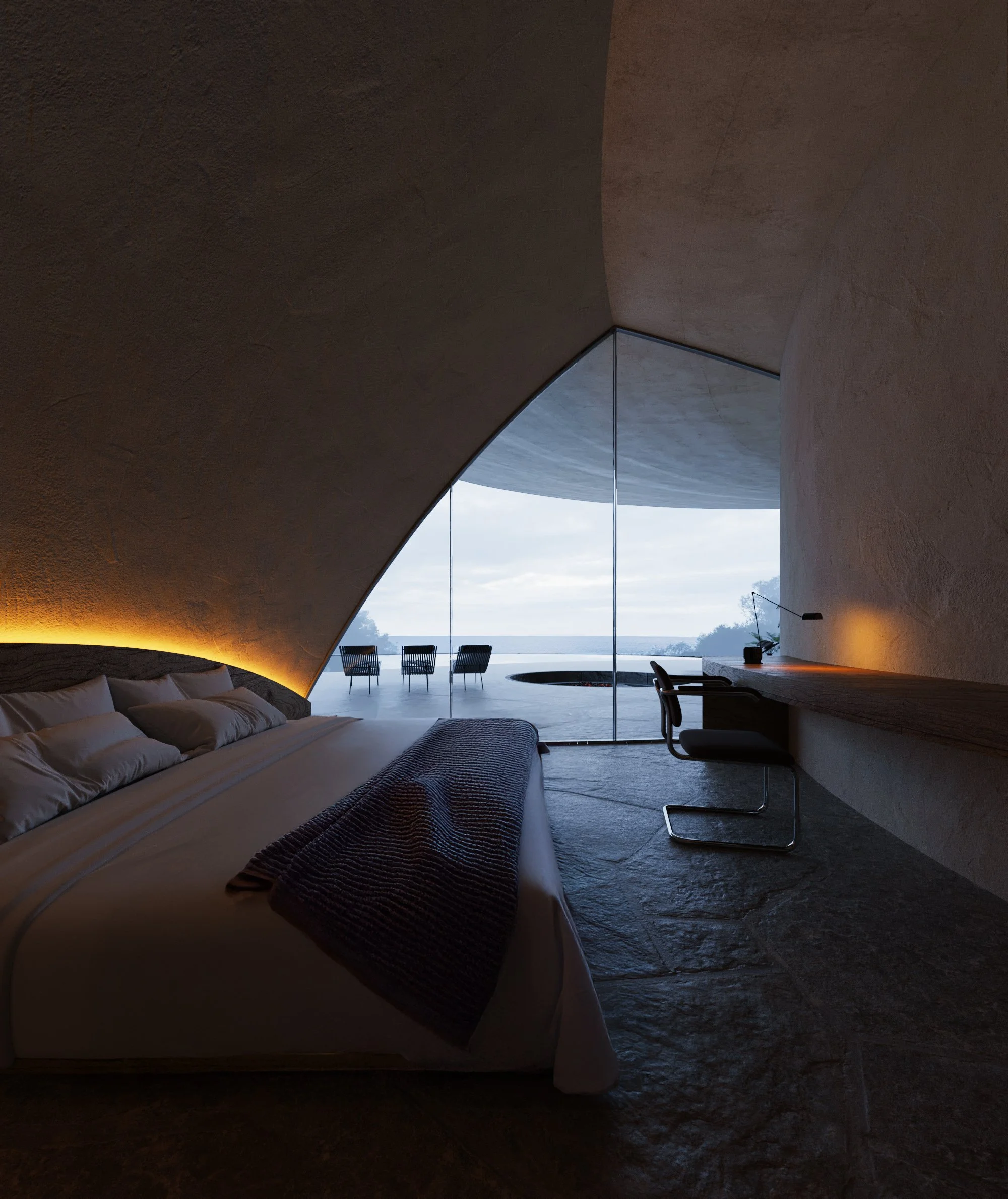
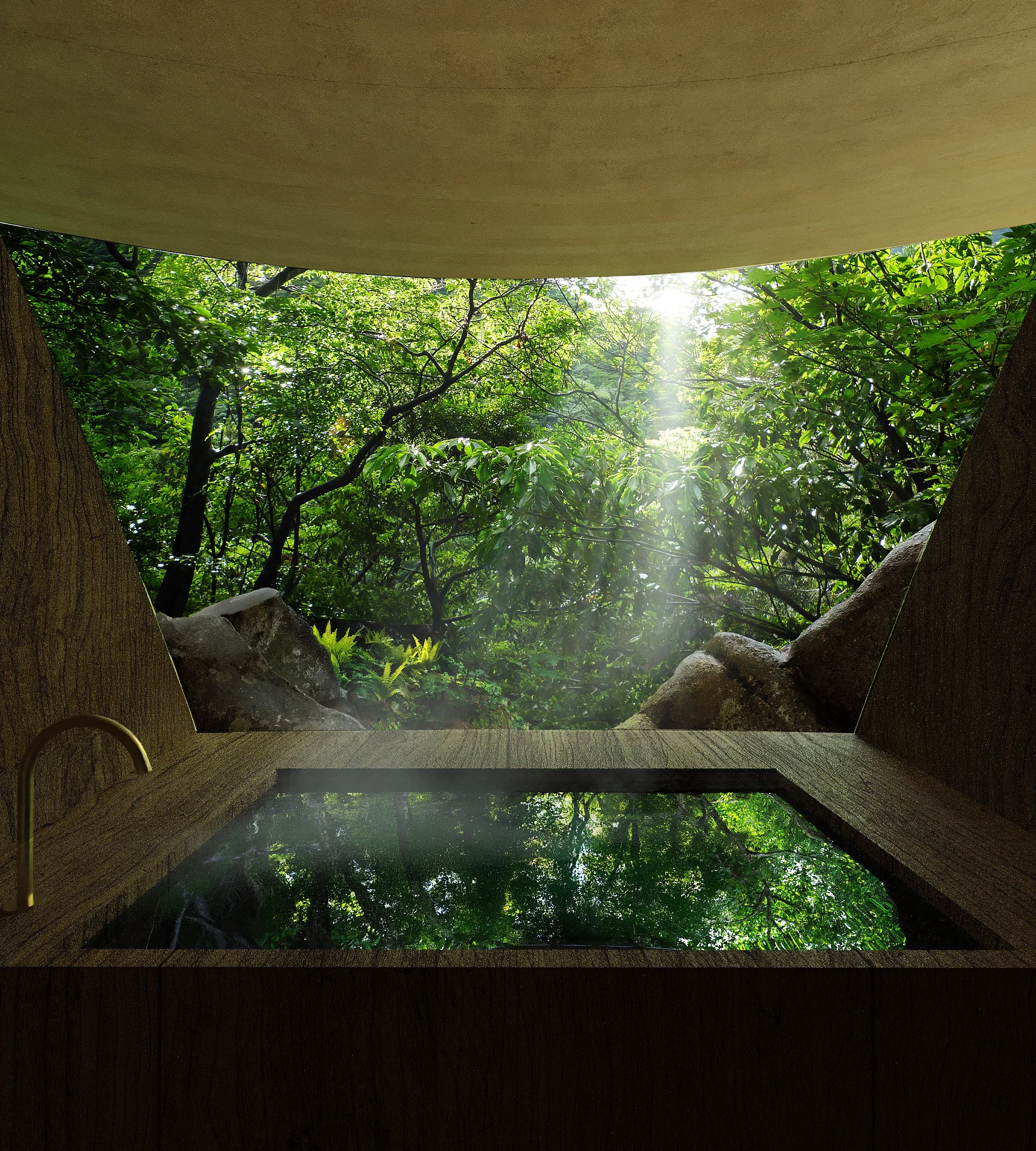
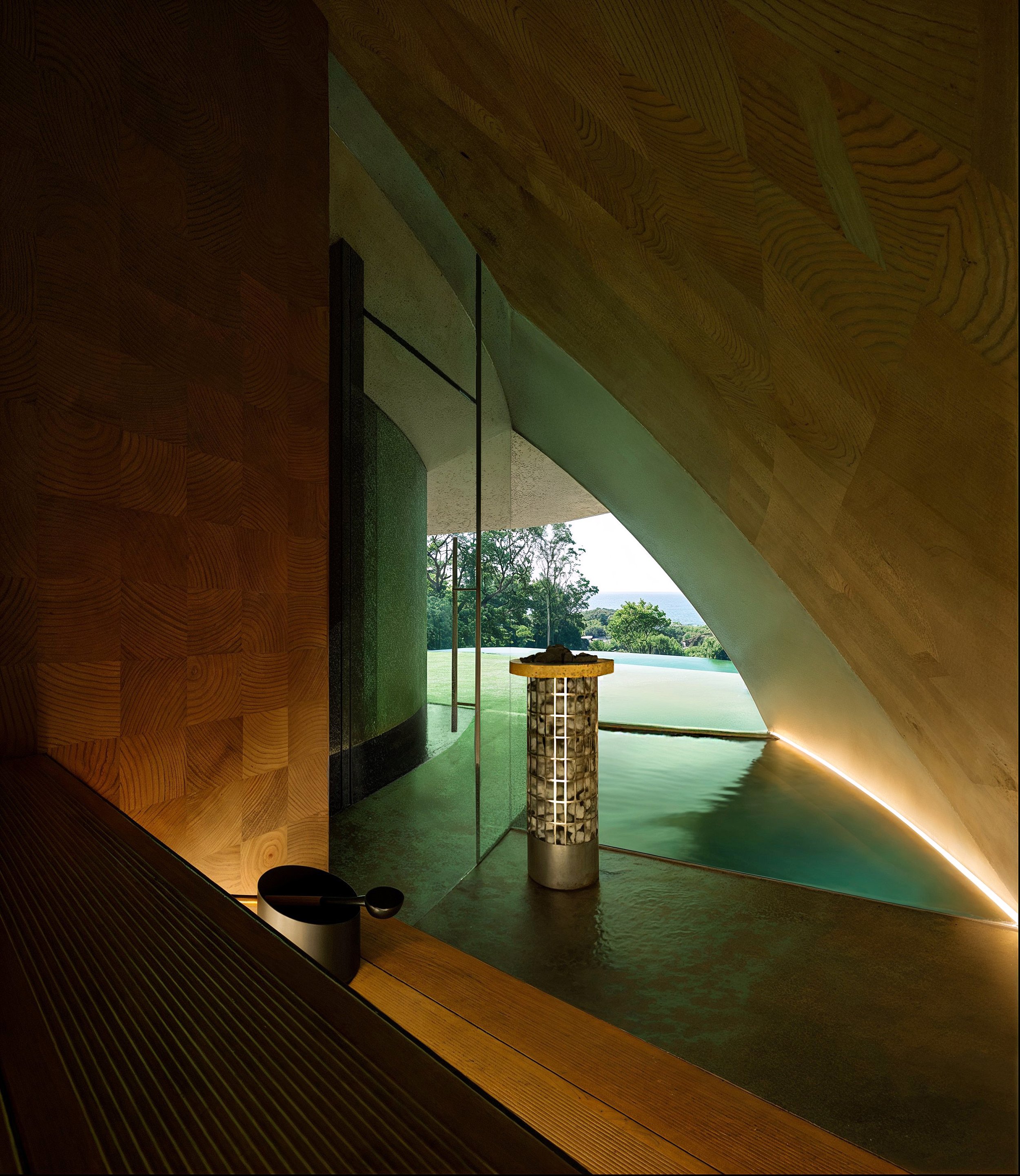
The architecture is organised around a sequence of retreat and gathering.
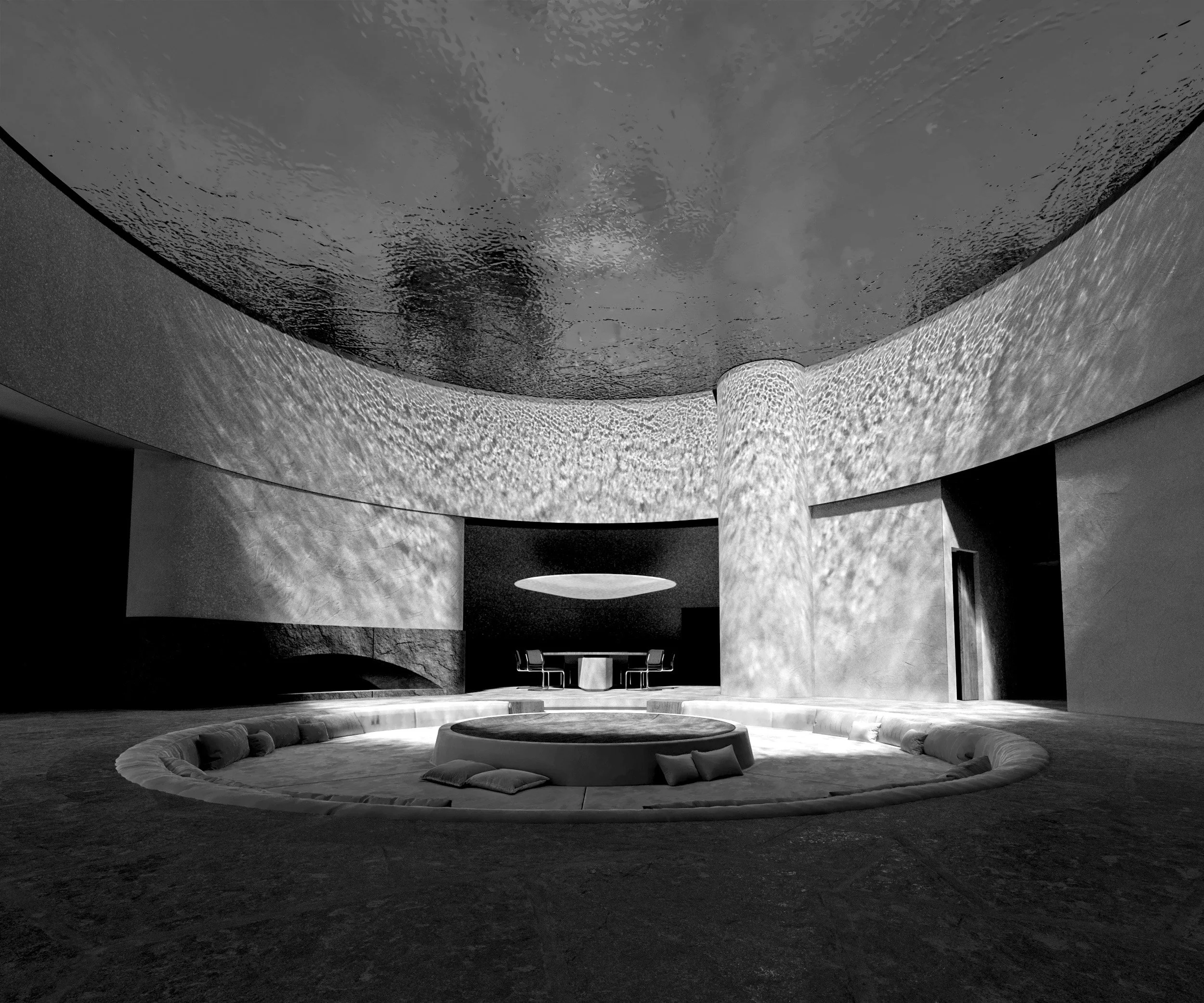
Private chambers are withdrawn into shadow, while shared spaces gather around a central atrium where light, rain, and movement converge.
The experience of the building unfolds gradually. Arrival, conversation, bathing, fire, and rest become a sequence of rituals rather than simply functional activities.
Light is carefully controlled. Some spaces are deliberately quiet and enclosed, while others open towards the sky and landscape.
Throughout the day, the movement of light and shadow changes the atmosphere of the interior.
And through the sound of rain, time becomes perceptible.
Sky meets Earth
Rain is not simply observed from the building.
It is given a physical presence within it.
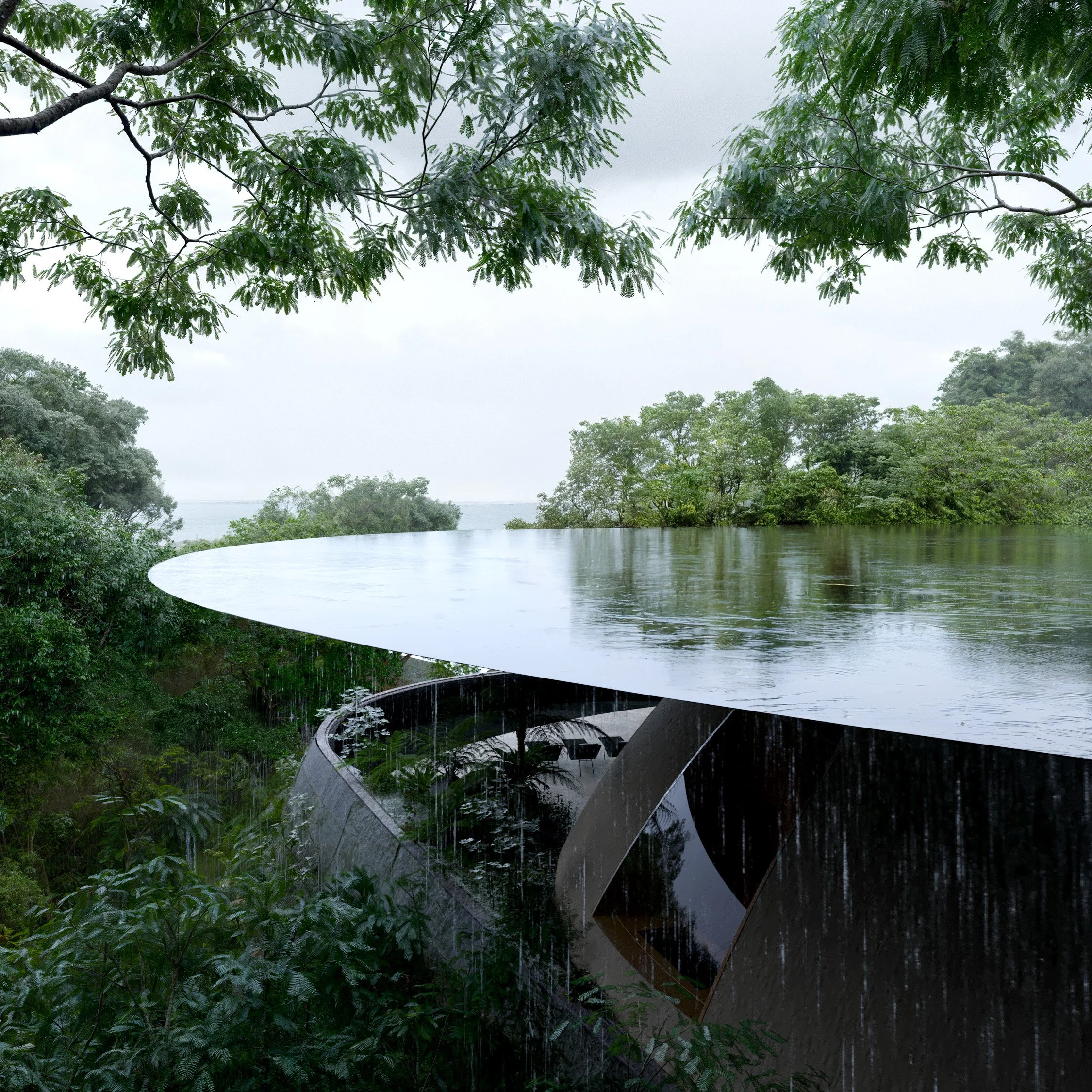
The architecture is organised between two spherical forms, evoking the relationship between Sky and Earth. The roof gathers rainwater and directs it through the building, allowing water to become part of its movement, sound, and atmosphere.
Collected water is channelled through the central oculus before cascading through the entrance and continuing through systems of filtration and reuse.
Rain, therefore, becomes simultaneously: structure, infrastructure, atmosphere, and ritual.
The building makes the island's most persistent natural condition visible and audible.
Sense of Place
Sound of Rain could exist nowhere else.
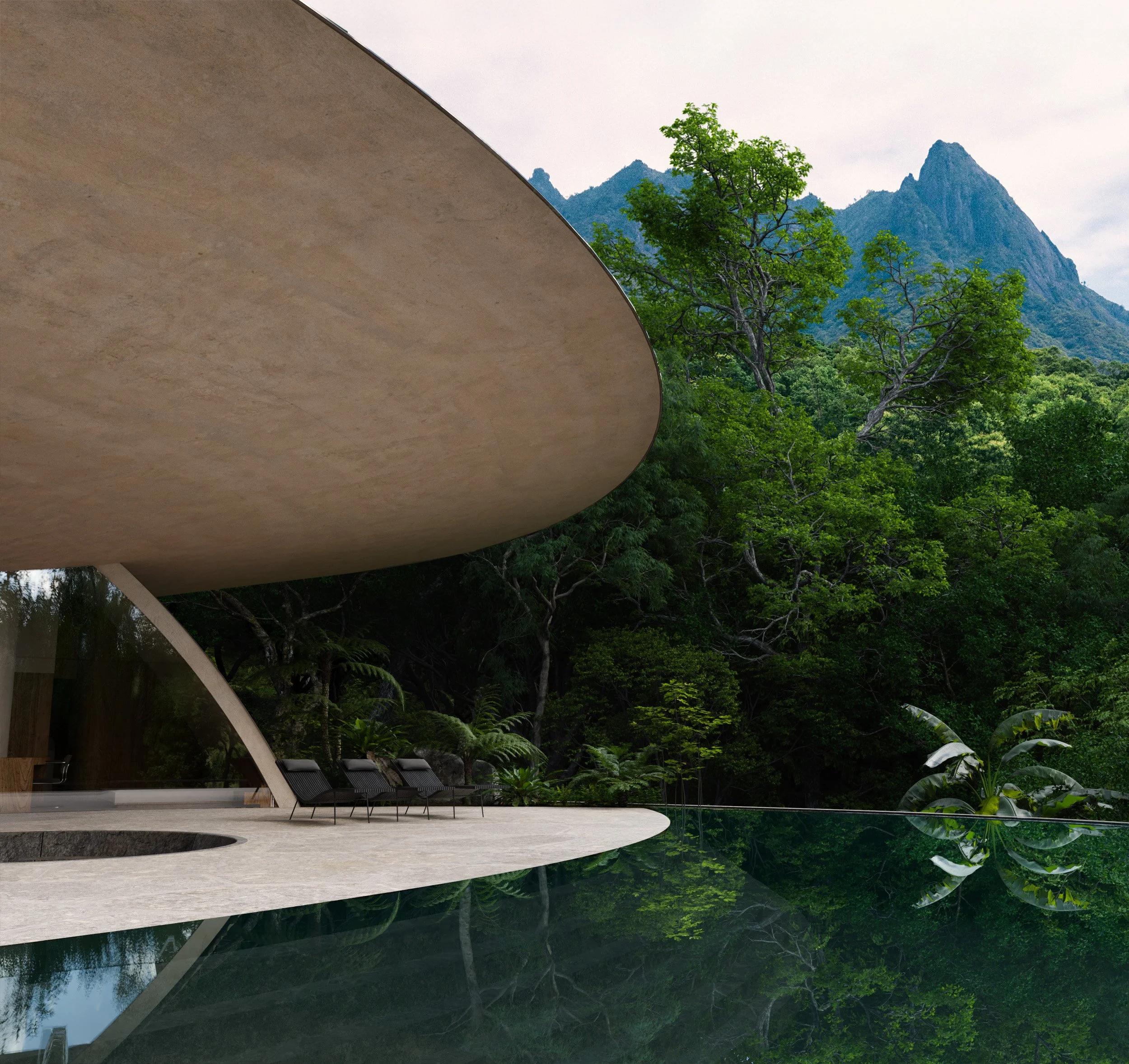
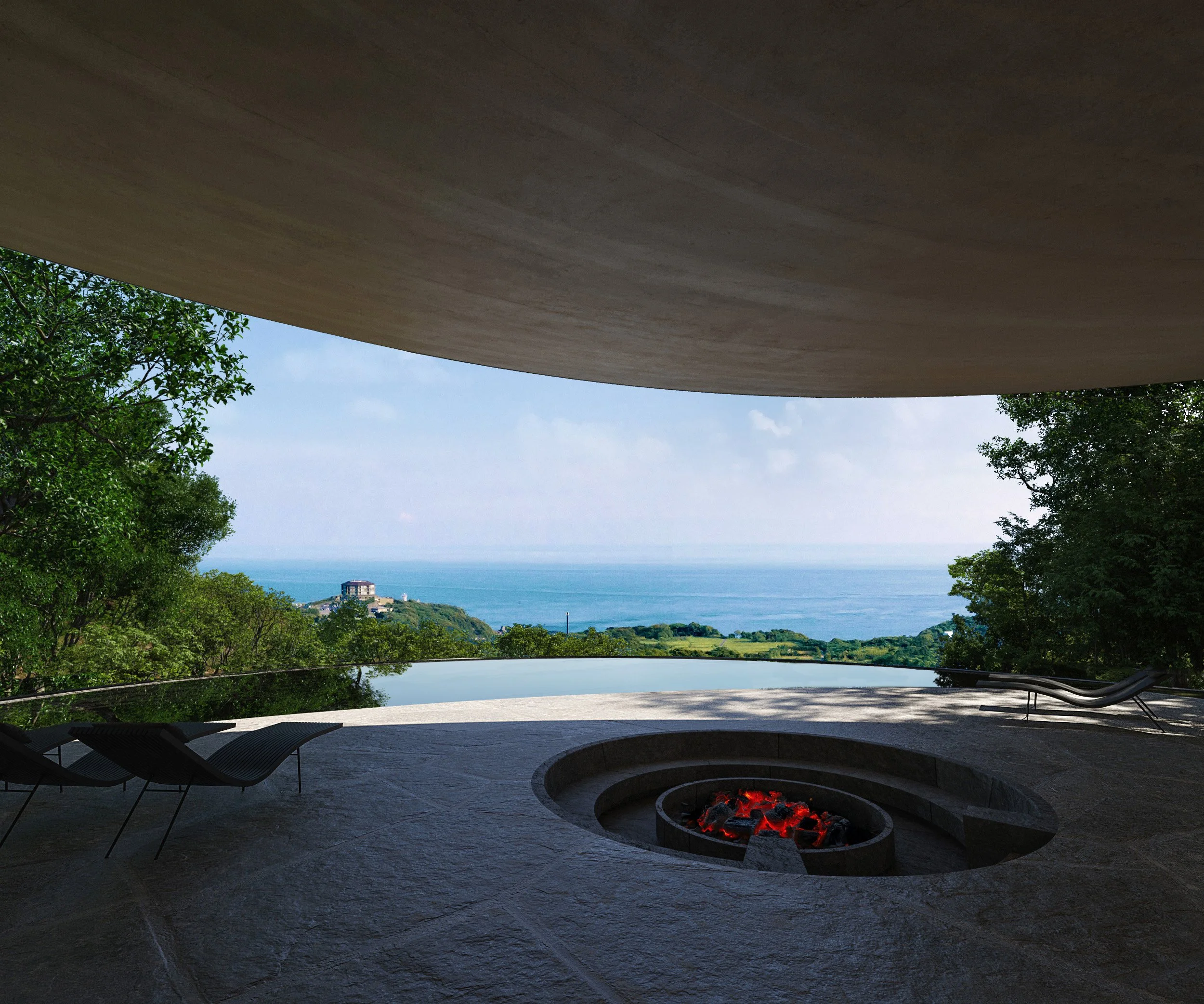
Yakushima's extraordinary rainfall, ancient forests, volcanic geology and bathing culture are not references applied to the project. They are the conditions from which the architecture emerges.
A granite plinth connects the building to the geology of the island.
The deep roof shelters like a forest canopy.
Cedar, clay and stone create a material relationship with the landscape, while the movement of rain continually reconnects the interior to the weather outside.
The intention is not to imitate Yakushima, but to create an architecture that belongs to its conditions.
Materials that Remember
The material palette is deliberately restrained, tactile and resilient.
Granite anchors the building to the ground. Clay plaster creates warm, breathable surfaces. Cedar introduces softness, grain and aroma at points of touch.
These materials are chosen not only for how they look when new, but for how they will age.
The architecture is conceived as something that will change with weather, use and time.
Rain will mark surfaces. Cedar will deepen in colour. Stone will weather. Light will move across the interior.
The building is therefore not intended to remain visually unchanged.
Its longevity is expressed through its ability to age.
Rain is gravity made visible.
Rain is time made audible.
Rain is the moment the Sky meets the Earth.
In Yakushima, the sound of rain becomes architecture.
“
Steven Chu's proposal, presented with confidence and without fear of risk, quietly yet powerfully drew us toward a future we long to see.
Masamichi Katayama
Principal / Founder at Wonderwall
Recognition
Grand Prize Winner
NOT A HOTEL International Design Competition 2026
Selected out of 1058 entries by 4250 participants from 112 countries, by an international jury including Bjarke Ingels and Sou Fujimoto.
Competition Website →
Judging Session Report →
Jury Comments →
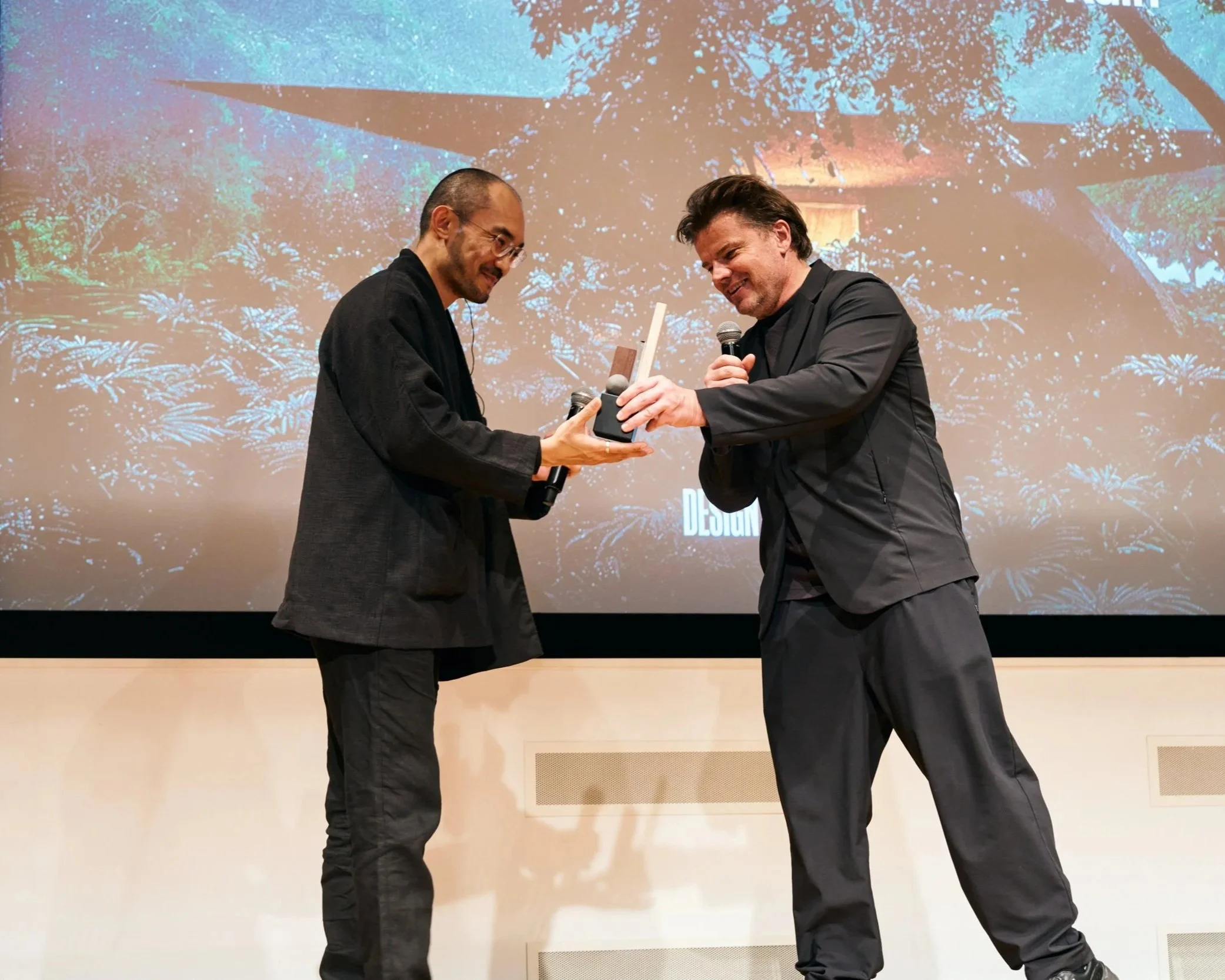
Steven Chu receiving the Grand Prize from Bjarke Ingels.
Photo Credit: New Color Inc.
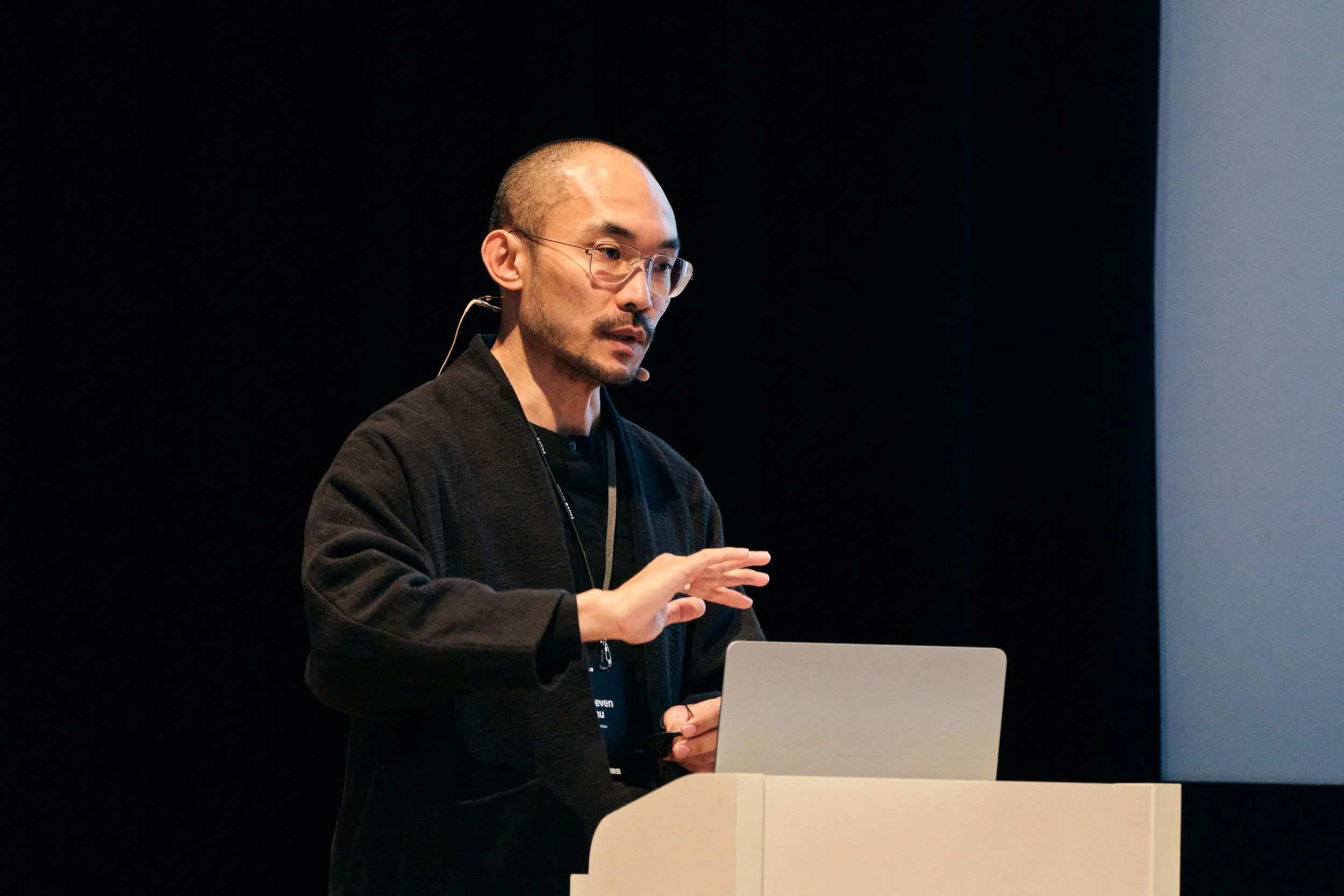
Steven Chu presenting Sound of Rain in Tokyo, Japan.
Photo Credit: New Color Inc.
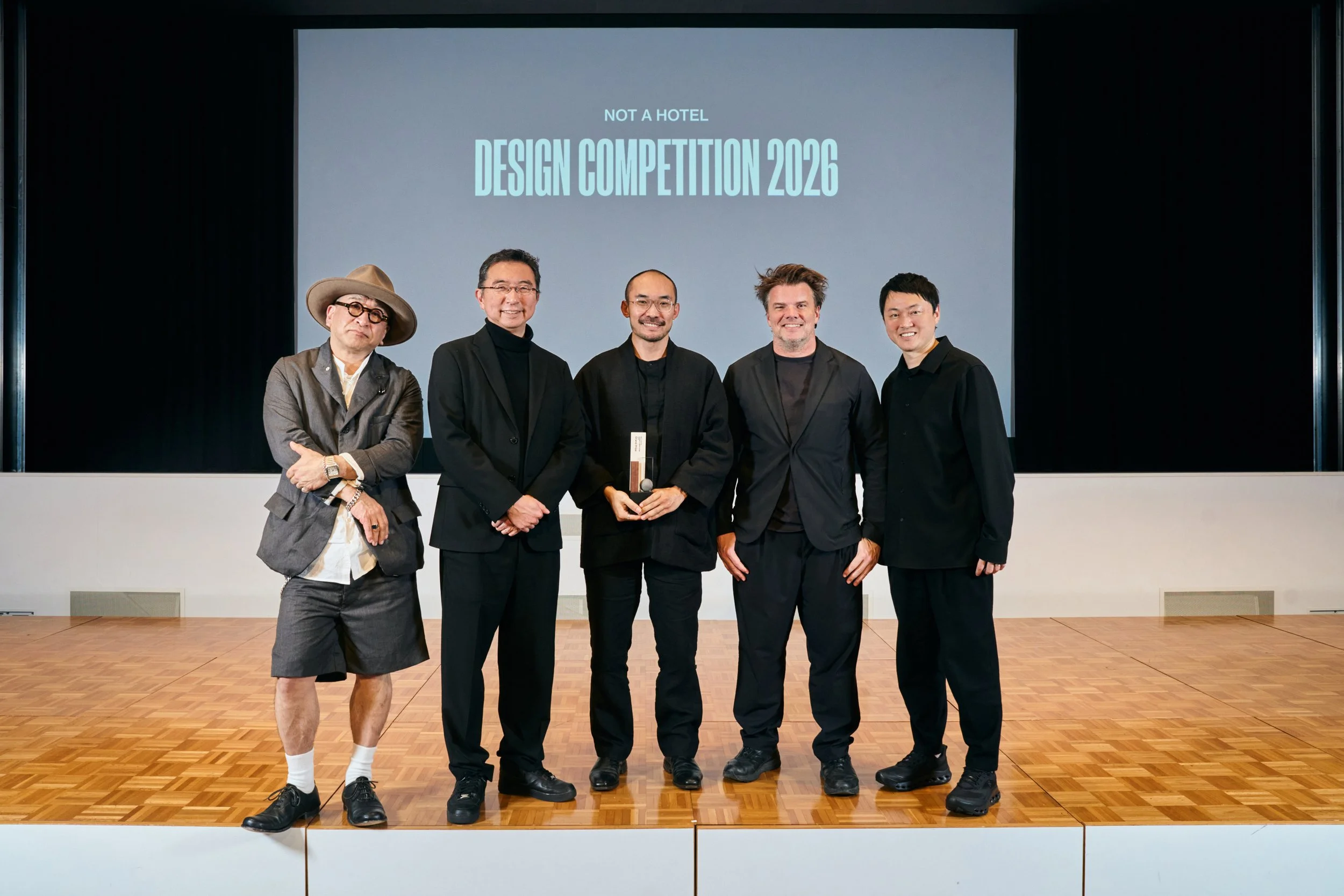
Portrait with the judges. From left: Masamichi Katayama, Sou Fujimoto, Steven Chu, Bjarke Ingels, Shinji Hamauzu.
Photo Credit: New Color Inc.
Competition Submission
The original competition submission for Sound of Rain.
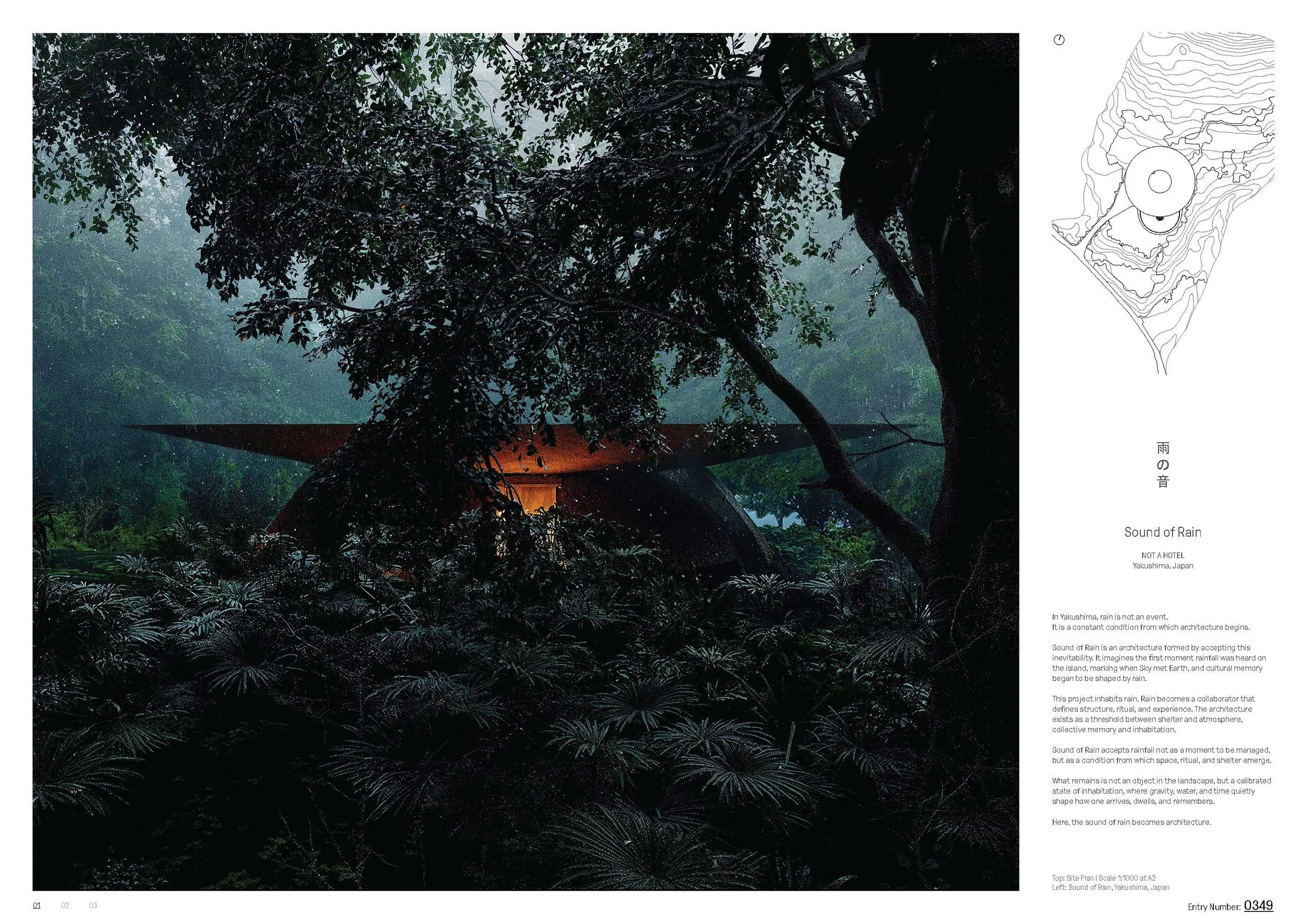
Competition Submission - Panel 1
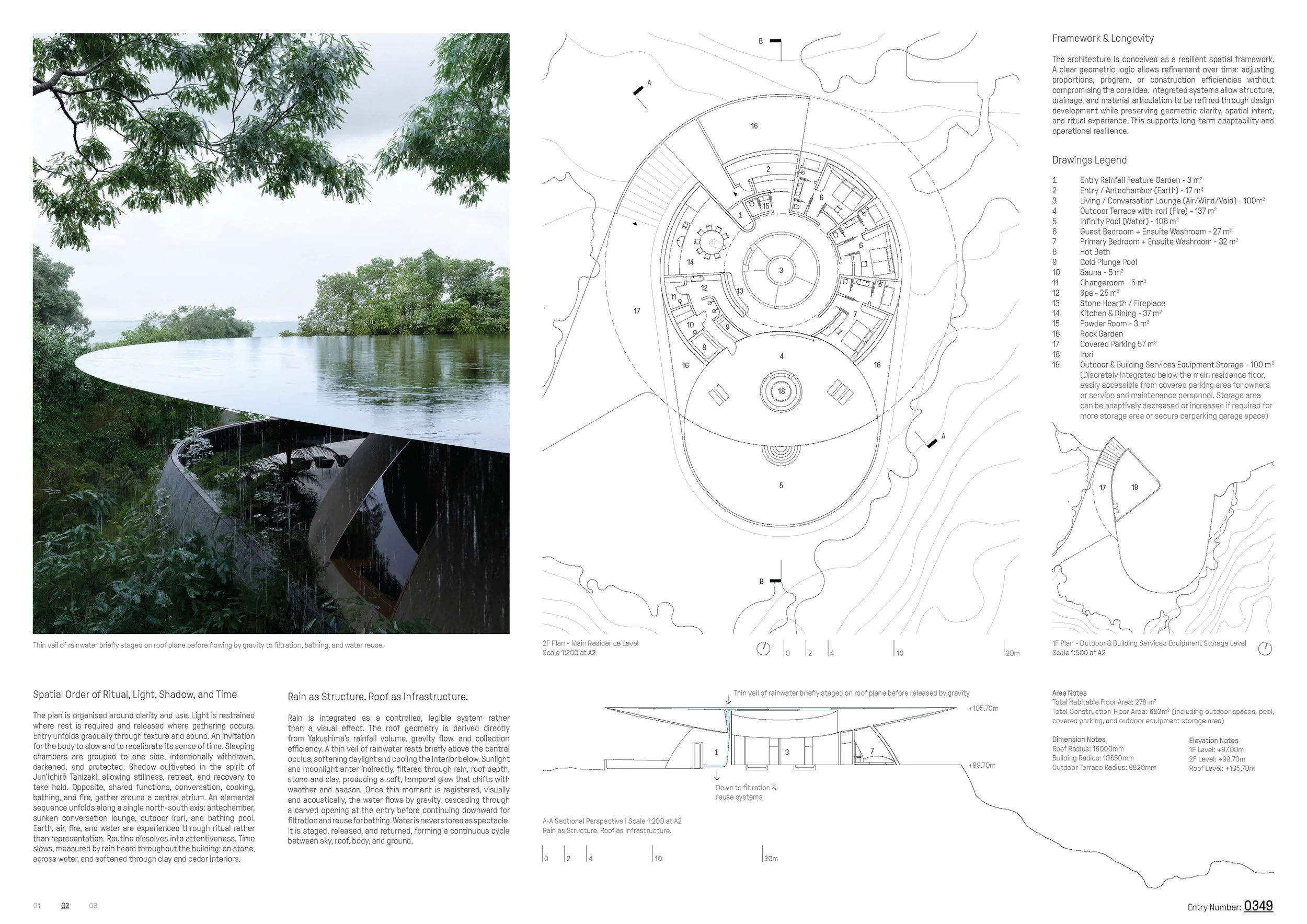
Competition Submission - Panel 2
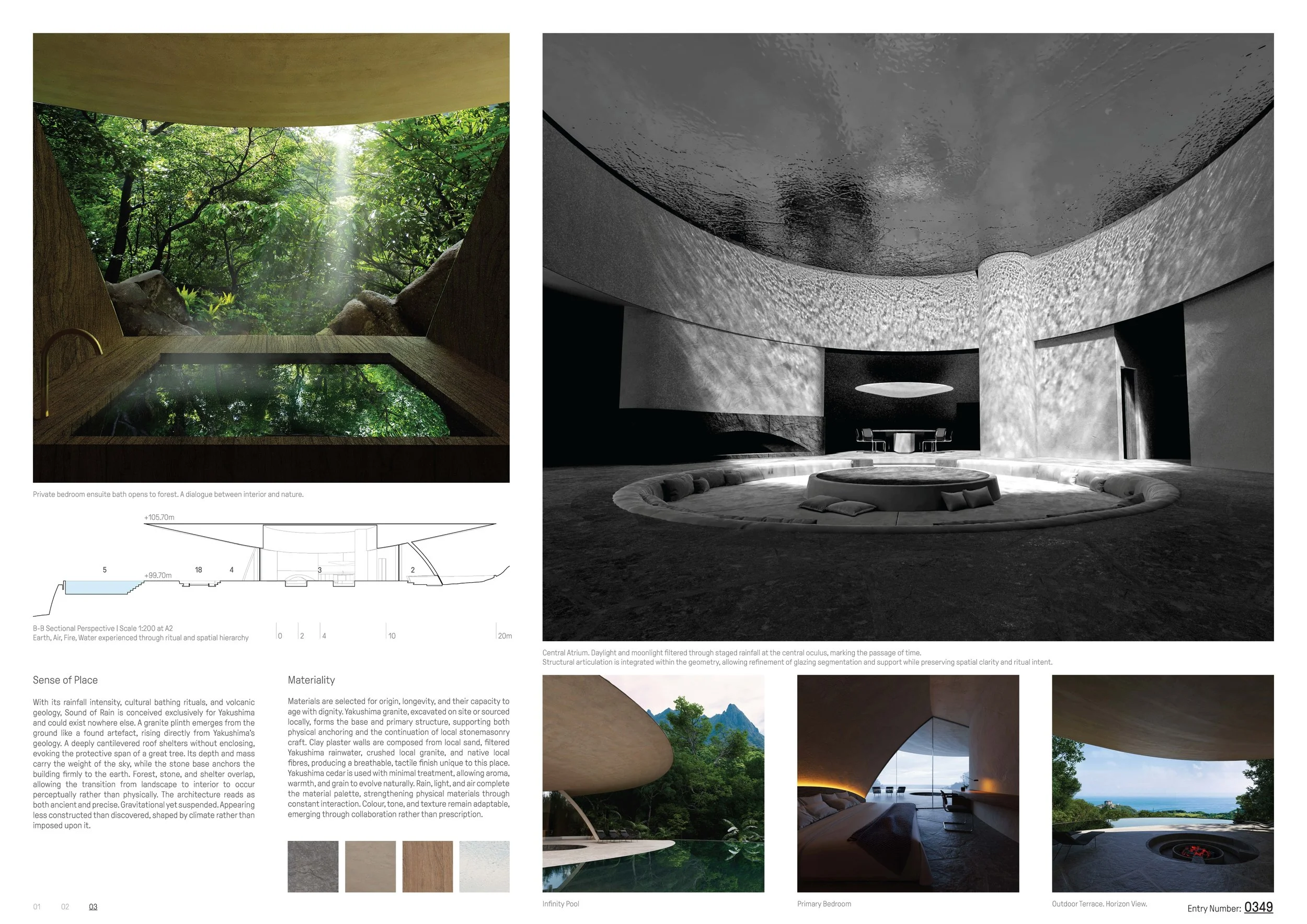
Competition Submission - Panel 3